
Buying land is exciting, but one wrong step can lead to disputes that last for years. Understanding your land ownership documents is the first step to protecting your property and ensuring your investment is safe.
What Are Land Ownership Documents?
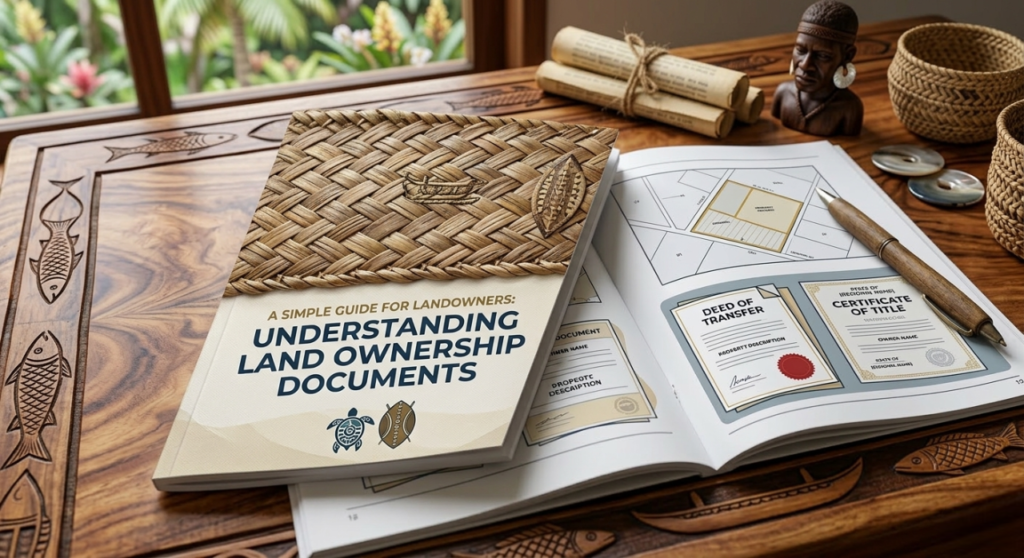
Land ownership documents are official papers that prove who legally owns a piece of land. They provide essential information about your property and protect you from disputes or fraud. Common documents include:
- Title Deeds – Records land transactions and ownership history.
- Certificates of Occupancy (C of O) – Shows who has legal rights to occupy the land.
- Survey Plans – Details the exact boundaries and size of the property.
- Lease Agreements – For land that is leased rather than owned outright.
How to Read and Understand Your Documents
When reviewing land ownership documents, pay attention to these key details:
- Owner’s Name – Make sure it matches the person selling or transferring the land.
- Land Description – Check boundaries, lot numbers, and size.
- Registration Number – Confirms the land is officially recorded with the land registry.
- Encumbrances or Claims – Look for mortgages, disputes, or any legal claims on the property.
Why It’s Important
Understanding these documents helps you:
- Avoid purchasing land that doesn’t legally belong to the seller.
- Quickly resolve disputes if they arise.
- Protect your investment and peace of mind.
Tips for Landowners
- Always verify documents with the land registry before making a purchase.
- Keep all documents safe and organized.
- Consult a lawyer if you’re unsure about any details.
Conclusion
Understanding your land ownership documents is crucial for protecting your property and avoiding legal headaches. If you’re uncertain about your land documents or need help verifying them, contact our law firm for professional guidance.